

Reaching children before school age: Madagascar study offers a practical route to schistosomiasis treatment
Children can acquire schistosomiasis long before they start school, yet treatment programmes often focus on school-aged children. The disease is caused by parasitic worms whose larvae penetrate the skin during contact with infested freshwater. Left untreated, it can damage organs and impair children’s growth and development. A study by researchers at the Bernhard Nocht Institute for Tropical Medicine (BNITM) and partners in Madagascar points to a practical way to reach younger children through existing health services. The findings are published in the Bulletin of the World Health Organization.

Adults can become infected with Schistosoma parasites when they come into contact with infested freshwater while fishing, farming, washing clothes or swimming. Even very young children can encounter the parasites during everyday activities such as bathing. The worms’ eggs can become trapped in tissues, trigger inflammation and progressively damage organs. In children, the disease can cause anaemia, impair growth and reduce their ability to learn. In Madagascar, schistosomiasis treatment programmes mainly deliver the drug praziquantel through schools, leaving younger children out of reach. Starting treatment early and repeating it when necessary can help prevent severe disease from developing.
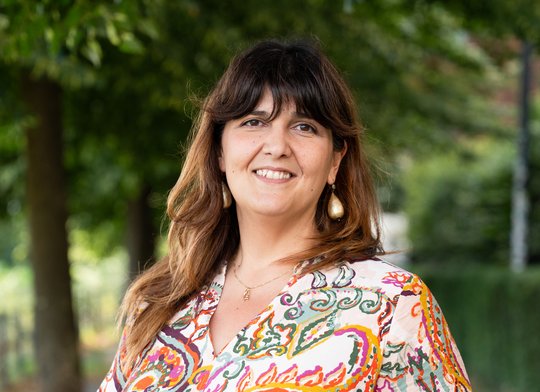
“Waiting until children start school can mean leaving infections untreated during crucial years of growth and development,” says first author Dr. Valentina Marchese, former member of the Implementation Research Group at BNITM. “We wanted to find out how health services could reach these children earlier, using a medicine that already exists.”
A familiar medicine, a new route to the youngest children
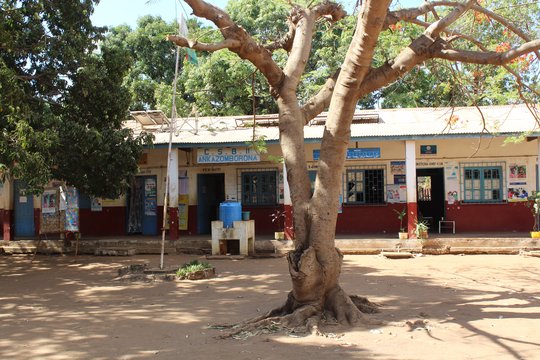
The study addresses a practical question: how can health services reach children before they start school? The researchers worked with Madagascar’s National Schistosomiasis Control Programme, local academic partners and health workers in the rural Boeny region, where schistosomiasis is widespread. They offered treatment through 13 primary health-care centres, a district hospital and two community sites, including during routine child health and immunisation visits.
Eligible children aged nine to 24 months were offered treatment without first being tested for schistosomiasis. This preventive approach aims to treat any existing infection early and reduce the risk of long-term health problems, rather than prevent infection itself. Under the study protocol, trained health workers gave children a fixed 300-mg dose of praziquantel as a crushed half tablet mixed with water and sugar. The team chose this dose based on the typical weight and height of children of this age in Madagascar and the recommended amount of medicine for their body size. Alongside delivering treatment, the partners trained staff, secured medicine supplies and strengthened procedures to recognise and manage adverse events.
Of the 5,142 children included in the analysis, 86.2 per cent received praziquantel with their caregivers’ consent. In the caregiver survey, 80.2 per cent considered repeated treatment acceptable. Health workers recorded adverse events in 1.2 per cent of treated children during the first 30 minutes, most commonly vomiting or drowsiness. No choking occurred during administration. Caregivers were asked to report any subsequent problems, and no serious adverse events were reported within 30 days. Giving the bitter medicine still posed challenges: many children cried or initially resisted, and 3.4 per cent received only part of the dose. Caregivers’ concerns about adverse events showed the strongest association with refusing treatment.
From research to health policy
Schistosomiasis belongs to a group of illnesses known as neglected tropical diseases, which disproportionately affect people living in poverty. The World Health Organization (WHO) aims to eliminate it as a public health problem in all affected countries by 2030, with regular treatment of people at risk at the heart of its strategy. Praziquantel offers an effective, safe and low-cost treatment that health services have used for decades. Where communities lack safe water and adequate sanitation, repeated treatment can help protect people from severe disease, especially when it starts in childhood. However, treatment cannot prevent reinfection, so improving water supplies and sanitation remains essential. Even access to the medicine falls short: in 2024, fewer than half of those who needed preventive treatment as part of schistosomiasis control programmes received it.
The findings from this study, published in the Bulletin of the World Health Organization, offer a practical starting point for bringing younger children into national schistosomiasis treatment programmes. The study demonstrates feasibility but did not assess long-term health benefits or population-wide treatment coverage. The findings show how health services could build on everyday contact with families, while highlighting what programmes need to address: reliable medicine supplies, trained staff and caregivers’ confidence in treatment.
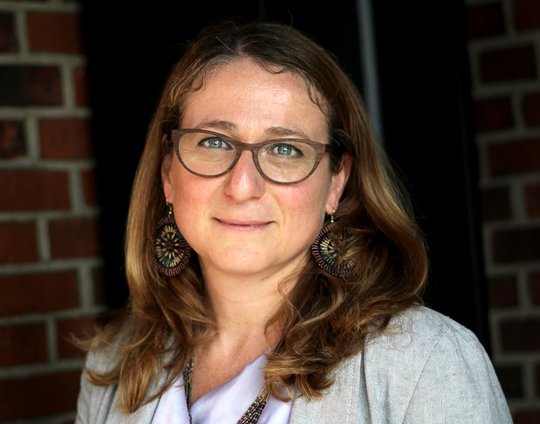
“To change policy, we need evidence not only that a medicine works, but also that health services can deliver it and families will accept it,” says senior author Dr. Daniela Fusco, head of the Implementation Research Group. “Our findings suggest that treating schistosomiasis could become part of routine care for young children, rather than something that waits until they start school.”
The Else Kröner-Fresenius Stiftung funded the research through the PREPRAMA project.
Original publication
Marchese V et al., Feasibility of paediatric schistosomiasis prevention with praziquantel, Madagascar, Bull World Health Organ. 2026, DOI: 10.2471/BLT.25.295521
Contact person
Dr Daniela Fusco
Group Leader Implementation Research
Phone : +49 40 285380-504
Email : fusco@bnitm.de
Dr Anna Hein
Public Relations
Phone : +49 40 285380-269
Email : presse@bnitm.de
Further information