


How viruses can be transmitted from animals to humans
BNITM and PUCE are pooling their One Health virus research in Ecuador
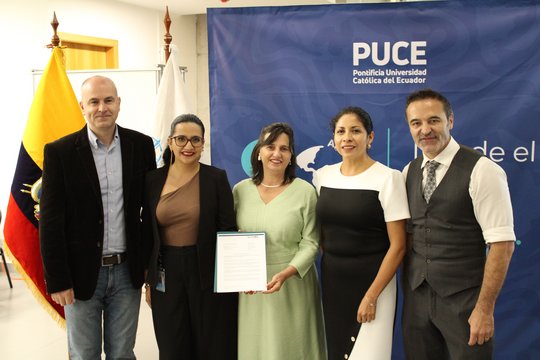
Which viruses might be the next to jump from animals to humans? Researchers from the Bernhard Nocht Institute for Tropical Medicine (BNITM) and the Pontificia Universidad Católica del Ecuador (PUCE/CISeAL) are investigating this, amongst other things, in the Ecuadorian rainforest. The two partners have now established a joint virology unit in Quito. It combines modern methods of pathogen research with an interdisciplinary One Health approach. At the same time, it opens up new opportunities for research, training and, in the long term, public health provision in Ecuador.

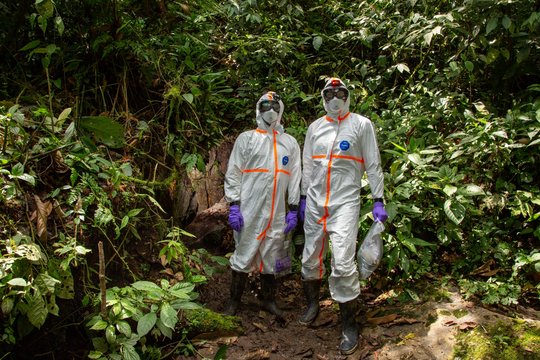
Which viruses live in monkeys, bats or rodents and could potentially infect humans one day? Researchers are investigating this question in tropical and subtropical regions of Ecuador. These include remote rainforests home to indigenous communities. The scientists are exploring how climate change, deforestation, changes in land use and increasing contact between humans and wildlife influence the circulation and potential transmission of pathogens.
From wildlife ecology to One Health research
Such interrelationships can only be investigated through an interdisciplinary approach. The scientists therefore combine field research and local ecological and indigenous knowledge with modern methods of viral metagenomics, high-throughput sequencing and bioinformatic analysis. They also utilise museomic approaches. This involves comparing historical museum specimens with modern samples in order to better understand changes in hosts and their pathogens over extended periods of time.
The partnership emerged from joint research into wildlife and biodiversity. For around seven years, researchers from the BNITM and PUCE/CISeAL have been working closely together at the interface between ecology, museology, virology and genomics. This long-standing collaboration gave rise to the idea of further consolidating their joint research activities within a virology unit in Quito.
The establishment of the joint virology unit in Quito was the result of an initiative by Dr Dániel Cadar. He is head of the Virus Metagenomics and Evolution working group at BNITM. Together with his Ecuadorian partners, he has spearheaded the establishment of the unit and is responsible for its scientific leadership and coordination. The new unit provides a solid framework for this long-standing collaboration and brings together shared expertise in virology, viral genomics and field research. At the same time, it creates new opportunities for research, training, knowledge transfer and scientific exchange.
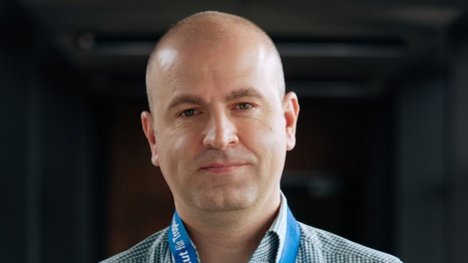
“The new virology unit represents an important milestone for us in a collaboration that we have built up over many years together with our Ecuadorian colleagues,” says Dr Dániel Cadar. “Our aim is to make modern genomic and virological technologies accessible directly on the ground, to strengthen research capacity in the long term, and to work together to gain a better understanding of how viruses circulate and evolve in natural ecosystems, and under what conditions they can be transmitted to humans.”
New joint research initiatives on Chagas’ disease
In collaboration with PUCE’s “Centro para la Investigación en Salud en América Latina” (CISeAL), the researchers have also extended their cooperation to include Chagas’ disease. The team is investigating the viral community in assassin bugs, which can transmit the Trypanosoma cruzi parasite. It is also analysing the parasite’s genetic diversity.
Another joint achievement is a modular, portable metagenomics platform. It was developed and validated by both partners and can be used either in the laboratory or close to the sampling site, depending on the research question.
“Our collaboration with PUCE is a great asset: we complement each other’s academic strengths and are working together to further advance research in Ecuador,” said BNITM Chairman Prof. Dr Jürgen May on the occasion of CISeAL’s tenth anniversary. “Outbreaks such as the current Bundibugyo Ebola outbreak in East Africa demonstrate how important it is to identify and understand infection risks at an early stage – anywhere in the world.”

In the long term, the partners aim to forge closer links between research and public health. Working alongside national research institutions and health authorities, they could improve the monitoring of infectious diseases, assess new risks and strengthen preparedness for potential outbreaks. The BNITM brings to this endeavour its experience in linking research, reference diagnostics and public health.
Contact person
Dr Dániel Cadar
Head of RG Virus Metagenomics and Evolution
Phone : +49 40 285380-840
Fax : +49 40 285380-400
Email : cadar@bnitm.de
Julia Rauner
Public Relations
Phone : +49 40 285380-264
Email : presse@bnitm.de