


DZIF RGMMB
DZIF Research Group Mathematical Modelling and Biostatistics
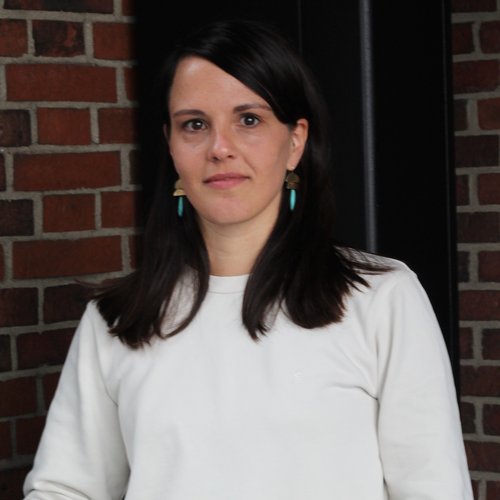
Project team at BNITM, Germany:
Ralf Krumkamp, Eva Lorenz, Angelika Hensel, Wibke Loag, Anna Jaeger, Maike Lamshöft, Jürgen May
Project team at KCCR, Ghana:
James Osei-Mensa, Foster Bediako Gdafu
Epidemiological studies on infectious diseases in resource-limited settings face substantial methodological challenges: complex study designs, longitudinal follow-up data, concurrent infections, and causal questions that cannot be addressed with simple analytical tools. At the same time, analytical expertise and capacity for advanced statistical methods are often limited. Providing rigorous methodological support and building local research capacity are therefore essential to generating evidence that is both scientifically valid and translatable into public health action.
Project Description:
The Research Group Mathematical Modelling and Biostatistics (RGMMB) at the BNITM provides comprehensive epidemiological and statistical support for complex studies within the DZIF Thematic Translational Unit (TTU) Malaria & Neglected Tropical Diseases. The group's work spans the full research cycle, from study design and sample size calculation to data management and advanced statistical analysis, with the overarching goal of maintaining high methodological standards across DZIF-funded projects.
In the current funding period (2026–2030), the group focuses on five interconnected areas. First, the RGMMB provides the methodological support for a study on post-discharge morbidity and mortality (PADMME) in children and adolescents in P. falciparum holoendemic regions of Ghana, encompassing database development, monitoring of field data collection, and interim and final analyses. The results will inform a planned clinical trial on malaria chemoprevention after hospital discharge. Second, the group analyses longitudinal data on schistosomiasis and human papillomavirus (HPV) co-infection from Madagascar, applying advanced regression models to investigate interaction effects and long-term health outcomes. Third, the association between placental malaria pathology on immune development in early childhood is examined, linking detailed histopathological placenta data with longitudinal malaria and immune data from the established Malaria Birth Cohort (MBC) study. Fourth, the group develops a methodological framework to detect and correct for collider stratification bias in epidemiological studies of co-diagnoses, combining simulation studies with empirical data. Fifth, the RGMMB expands and formalises training programmes in applied epidemiology and biostatistics for junior researchers at the BNITM and its partner institution, the Kumasi Centre for Collaborative Research in Tropical Medicine (KCCR) in Ghana, including advanced regression methods and machine learning approaches. Furthermore, the RGMMB closely collaborates with African Partner Institutions (TI API) within the DZIF network to strengthen regional research capacities.
Focus Areas:
biostatistics and data science, epidemiological methods, malaria, neglected tropical diseases, longitudinal data analysis, causal inference, capacity building
| COUNTRY | PARTNER INSTITUTIONS |
| Germany | Bernhard Nocht Institute for Tropical Medicine (BNITM) |
| - Research Group Applied Epidemiology and Biostatistics | |
| Ghana | Kumasi Centre for Collaborative Research in Tropical Medicine (KCCR) |
| - Research Group Infectious Diseases & Epidemiology |
| Funding Period | 2026–2030 |
| Funding Body | German Centre for Infection Research (DZIF) |
| TTU Malaria & Neglected Tropical Diseases | |
| Grant Number | TTU 03.715 |