


 ©Giuditta Annibaldis
Ten years after Ebola in West Africa
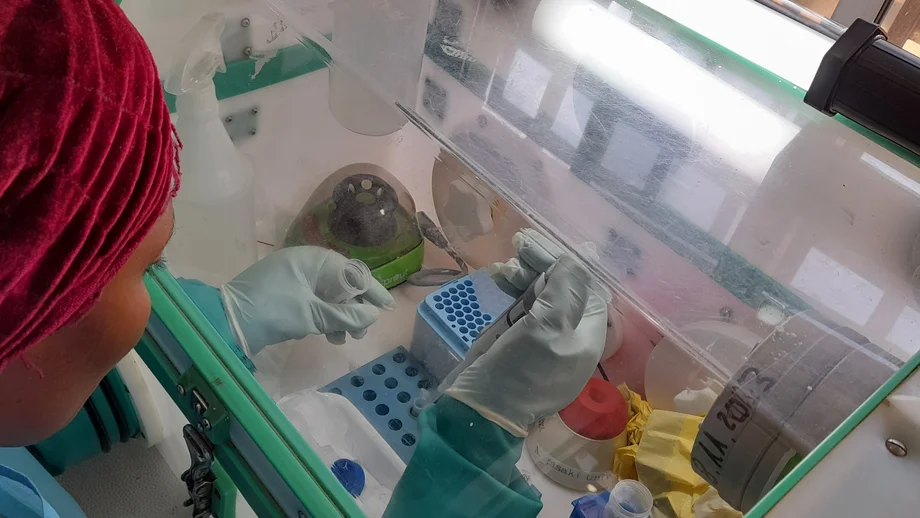
The Ebola epidemic of 2014–2016 in Guinea and neighbouring countries exposed significant gaps in laboratory diagnostics. Since then, Guinean and international partners have expanded capacity in Forest Guinea. Researchers from Guinea and the BNITM report in the specialist journal *npj Viruses* on what they achieved and which questions remain unanswered. Their experiences could serve as a blueprint for other affected regions in sub-Sahara Africa.
Read more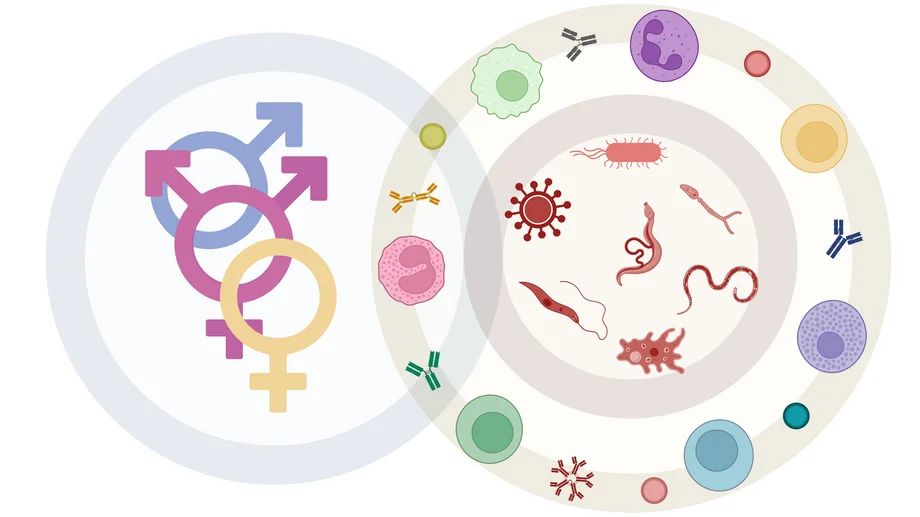 Created with BioRender
Infoveranstaltung am 19.11.2026
Männergrippe ist real, und Frauenbeschwerden sind selten "psychisch": Männer erkranken häufiger und schwerer an vielen Infektionen, Frauen sind häufiger von chronischen Autoimmunerkrankungen betroffen. Wie regulieren Geschlechtshormone offenbar die Immunreaktion? Wie unterscheiden sich z.B. die Immunantworten auf Darmparasiten? Wie lässt sich die Gesundheitsversorgung von Frauen in Ressourcen-limitierten Gebieten gestalten? Forschende berichten.
Infos und Anmeldung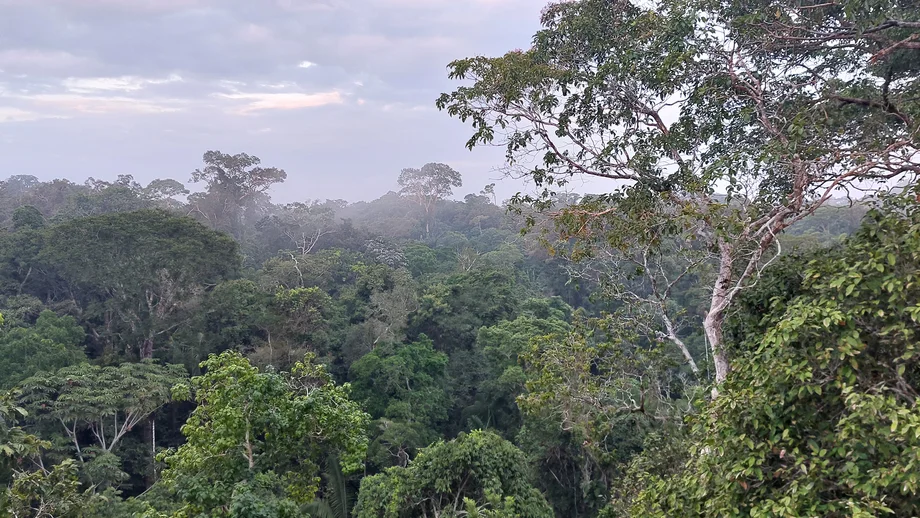 ©Dániel Cadar
Tracking viruses in Ecuador’s rainforest
Which viruses could be next to jump from animals to humans? Researchers at the Bernhard Nocht Institute for Tropical Medicine (BNITM) and the Pontificia Universidad Católica del Ecuador (PUCE/CISeAL) have been investigating this together for many years – in the rainforest and in the lab. Now they are bringing their expertise together in a joint virology unit in Quito.
Read more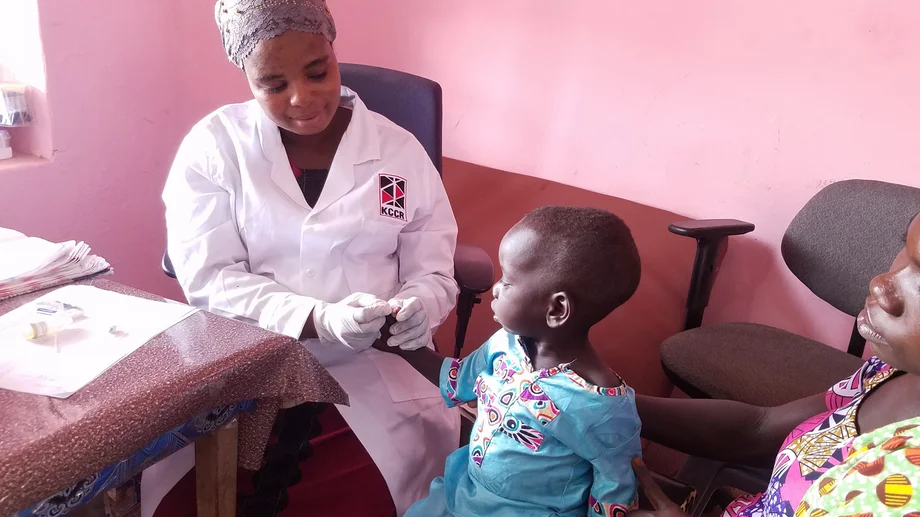 Foto: Emmanuel Baah
Protecting children against malaria beyond hospital discharge
Children with severe malaria remain at risk after leaving hospital. A new research project in Ghana is testing whether a vaccine, given alongside preventive medicines, is safe and triggers a good immune response. KCCR and BNITM jointly lead the study.
Read more ©berufundfamilie Service GmbH
Child ill, nursery closed – and still doing research?
Parents' plans rarely survive the first coffee. BNITM offers flexitime instead of rigid core hours. Part-time work is possible in all departments, including leadership roles. Mobile working is available where tasks allow. Everyone benefits, not just parents. The “berufundfamilie” certificate recognises these achievements. We want work-life balance to be a matter of course.
Read more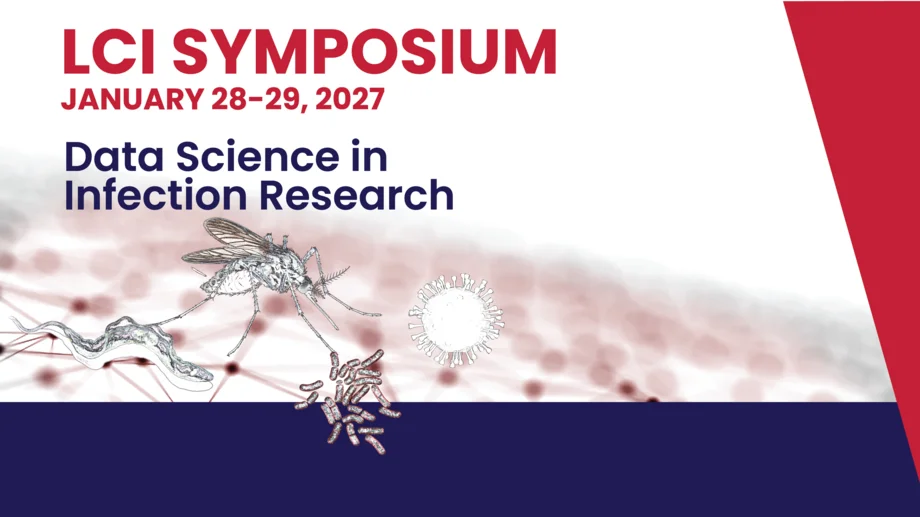 ©LCI
©LCIData Science in Infection Research
Under the theme “Data Science in Infection Research”, the two-day symposium will highlight how advances in data generation, analysis, interpretation and simulation are transforming infection research. It will take place on 28-29 January 2027 at the CSSB located on DESY-Campus in Hamburg-Bahrenfeld. Please register for the event.
Learn moreQuick start for
News


Events
Auffrischkursus Aktuelle Tropenmedizin II 2026
Aktuelle Entwicklungen in der Tropenmedizin, neue interessante Arbeiten von Forschenden des BNITM, Mikroskopierkenntnisse trainieren: All…
Read moreEpidemiology & Control of Diseases in Outbreak Settings (EPICID)
This is a 3-week intensive course on the principles and methods of epidemiology and the way these inform the control of infectious diseases…
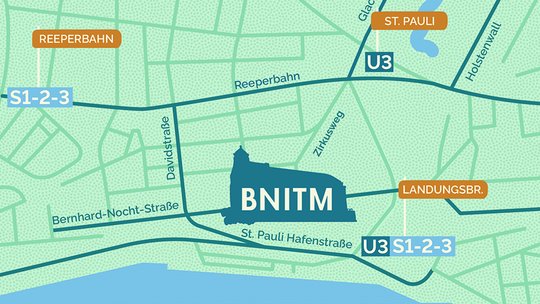
Bernhard Nocht Institute for Tropical Medicine
Bernhard-Nocht-Straße 74
D-20359 Hamburg
Tel.: +49 40 285380-0
(Switchboard of the Institute)
E-Mail: bni@bnitm.de
Tel.: +49 40 285380-219
(for patients)
E-Mail: bni-ambulanz@uke.de
Downloads
- Scientific report 2023-2024 ( PDF 9 MB )
- BNITM Flyer ( PDF 39 MB )
- Organization Chart BNITM ( PDF 2 MB )
- BNITM Strategy 2030 ( PDF 3 MB )