


 ©BNITM | Dino Schachten
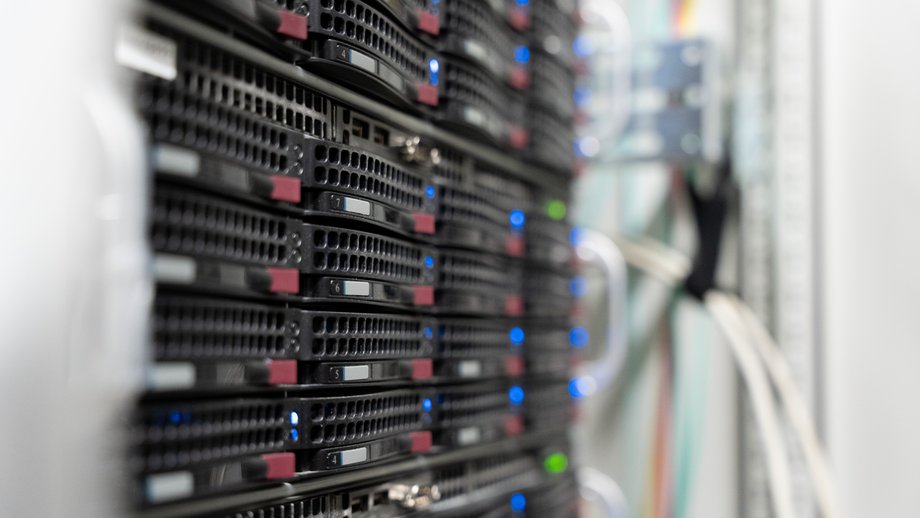
Connecting research data, enabling new discoveries
BNITM is now a member of the German National Research Data Infrastructure (NFDI). As part of this nationwide network, the Institute contributes its expertise in infectious disease and global health research and helps make research data secure, findable and reusable in the long term. This will benefit new research questions, data-driven methods and AI applications alike.
Learn more ©KCCR
©KCCRNew Director of KCCR
From August, Prof. Alexander Yaw Debrah will head the KCCR in Ghana, a joint initiative of the BNITM, the Kwame Nkrumah University of Science and Technology (KNUST) and the Ghanaian Ministry of Health. Find out about his vision for practical healthcare solutions and how he intends to forge even closer links between research, talent development and global partnerships.
Learn more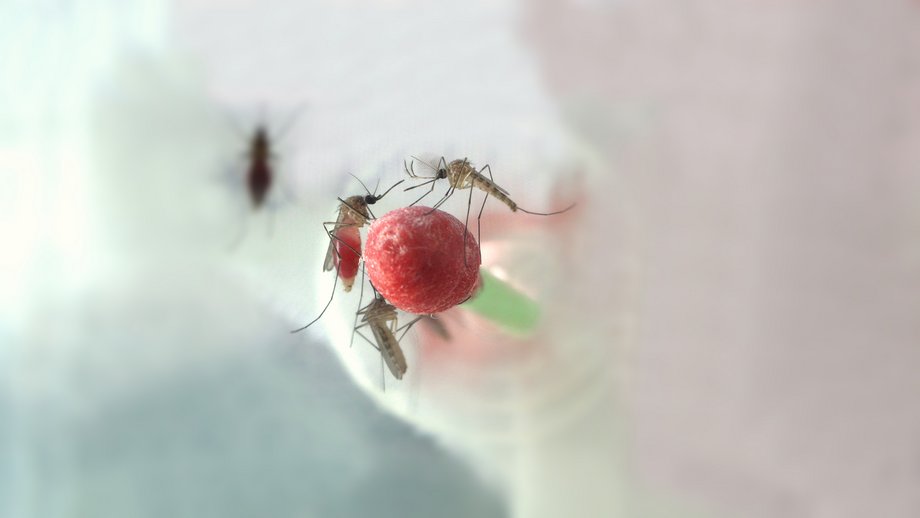 ©BNITM | Dino Schachten
Research project on mosquito behaviour
Streetlights, warm nights, open windows: artificial light can keep mosquitoes active for longer. Evidence suggests they stay out later, bite over a longer span of hours and enter winter dormancy later. That could raise the risk of pathogens such as West Nile virus circulating more easily. In the LUMEN consortium project, an interdisciplinary team led by the BNITM is examining how risks can be predicted and reduced.
Read more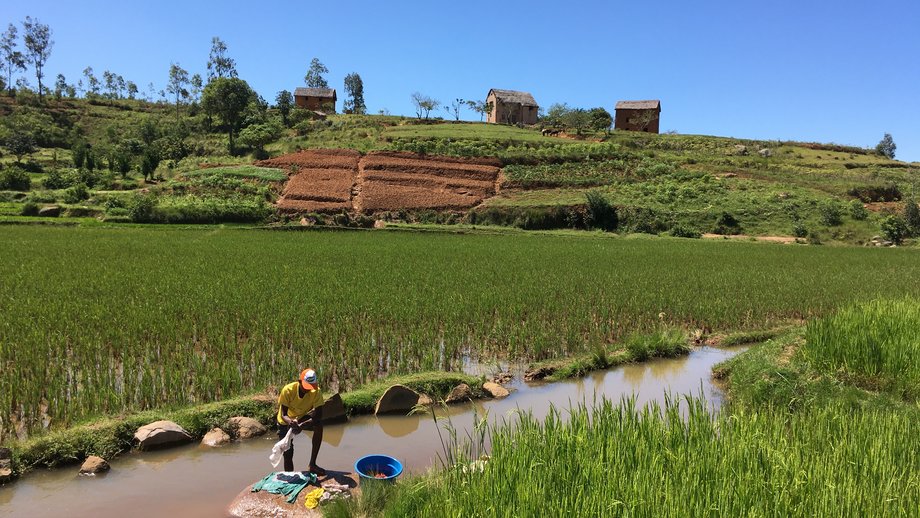 ©Jule Hameister
When parasites slow down viruses
Barefoot in the rice fields, with water up to the ankles: In Madagascar, many people come into contact with the pathogens that cause schistosomiasis. The parasites are transmitted by freshwater snails. But why is there hardly any Dengue? Jana Hey investigated this in her dissertation and discovered surprising correlations. For her work, she received this year’s doctoral award from the Association of Friends and Supporters of BNITM.
Read more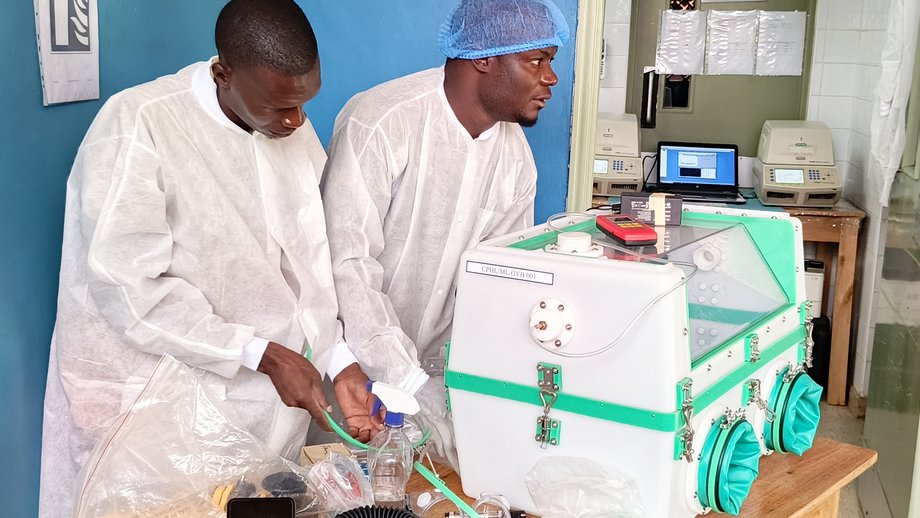 ©Uganda National Health Laboratory and Diagnostics Services (NHLDS)
East Africa deploys mobile laboratories
During the Ebola fever outbreak in the Democratic Republic of the Congo (DRC), the East African Community has set up and put into operation its network of mobile laboratories at key border points. Over many years, BNITM has co-developed this network and trained the lab teams. With the EU-funded MOBILISE project, a mobile high‑containment laboratory truck is now being used in Tanzania for the first time.
Read more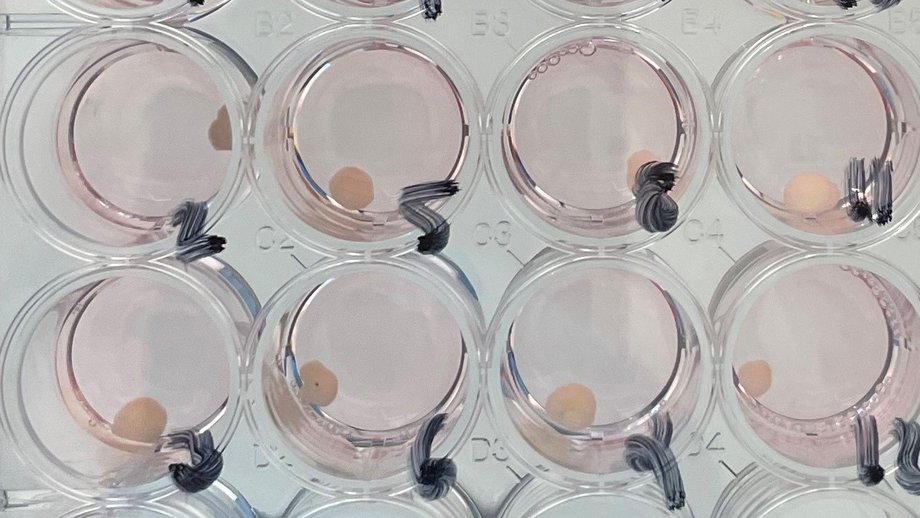 ©BNITM | Lina Widerspick
Ebola in the brain: new insights
Ebola viruses can hide in the central nervous system and remain dangerous months or even years after infection. Researchers at BNITM and their collaborators have used human cerebral organoids to investigate the mechanisms behind this viral persistence. The results, published in Nature Microbiology, provide important clues about the long-term consequences of Ebola infection.
Learn moreQuick start for
News


Events
Hamburg Bioinformatics Summer School 2026
21 August 2026: online onboarding session
Mode: In person at the BNITM
Timetable: 9:00 am – 18:00 pm each day and additional events…
tropEd Global Health Summer School
This is a 5-day online summer school on current issues in Global Health and tropEd.
Timetable: 9:30 - 11:00 am; 11:30 - 13:00 pm; 14:00 -…
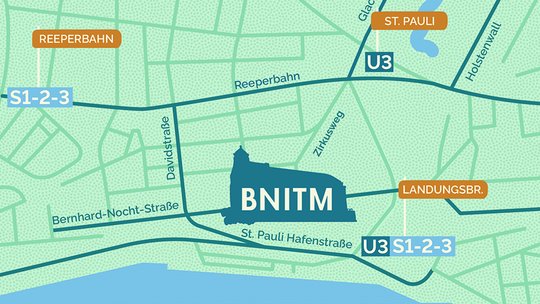
Bernhard Nocht Institute for Tropical Medicine
Bernhard-Nocht-Straße 74
D-20359 Hamburg
Tel.: +49 40 285380-0
(Switchboard of the Institute)
E-Mail: bni@bnitm.de
Tel.: +49 40 285380-219
(for patients)
E-Mail: bni-ambulanz@uke.de
Downloads
- Scientific report 2023-2024 ( PDF 9 MB )
- BNITM Flyer ( PDF 39 MB )
- Organization Chart BNITM ( PDF 2 MB )
- BNITM Strategy 2030 ( PDF 3 MB )